Simplified Chinese
 Français
 Deutsch
 Русский
 한국어
 Español
 Português
 العربية

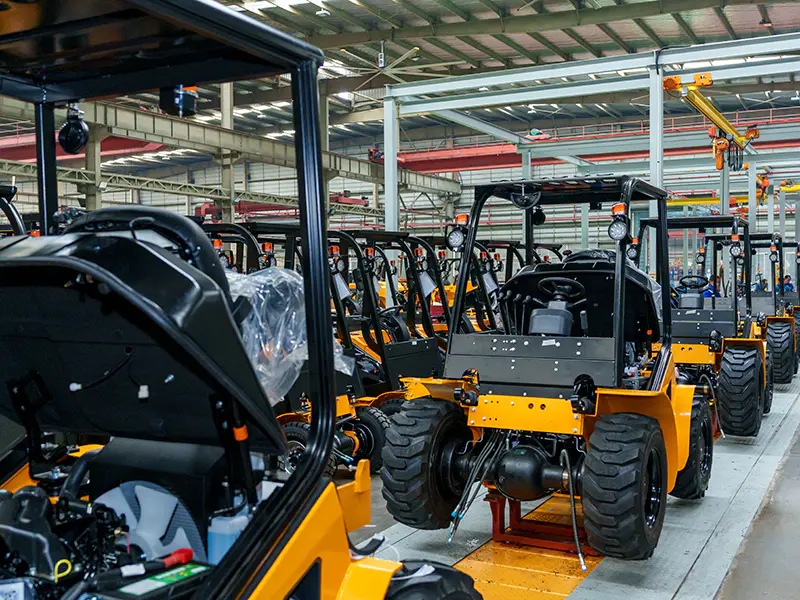
As indispensable heavy-duty equipment in modern factories, port logistics and warehousing centers, forklifts often face high loads, frequent start-stop cycles and complex ground impacts in daily operating conditions. According to industrial engineering statistics, over 80% of sudden mechanical failures can be effectively avoided through scientific and standardized daily maintenance and regular inspections. GONGLE's senior maintenance engineers have compiled key daily maintenance guidelines for you:
I. Hydraulic System: The "Bloodline" of Industrial Forklifts
The hydraulic system is the core power source for the forklift's lifting, tilting and attachment movements. Check the hydraulic oil level before daily operation and observe whether the oil is clear and transparent; impurities or emulsification from water ingress are strictly prohibited. Focus on inspecting hydraulic line fittings, the multi-way valve and the seals of the lift cylinder for any slight oil seepage; if aging is found, replace with genuine high-pressure seals promptly.
II. Power and Battery Management: Extending Runtime and Cell Life
For lithium-battery counterbalance forklifts, it is recommended to follow the principle of "charge as you use, avoid deep discharge." Avoid continuing high-load operation when the battery level is below 10%, and regularly check whether the contact terminals of the charging gun socket are oxidized and blackened. For internal combustion forklifts, replace the "three filters" (oil filter, diesel filter, air filter) on schedule to ensure the engine always operates in a clean combustion state.
III. Inspection of Mast, Chains, and Chassis Brakes
The lifting chain bears the vertical tension of several tons of cargo. Every two weeks, the mast guide rails, pulleys, and chains should be fully lubricated with special high-temperature industrial grease, and the chain pitch elongation should be regularly measured with a straightedge to check for excessive wear. Before daily operation, the foot brake and parking handbrake braking performance must be tested to ensure the braking distance meets safety standards.